
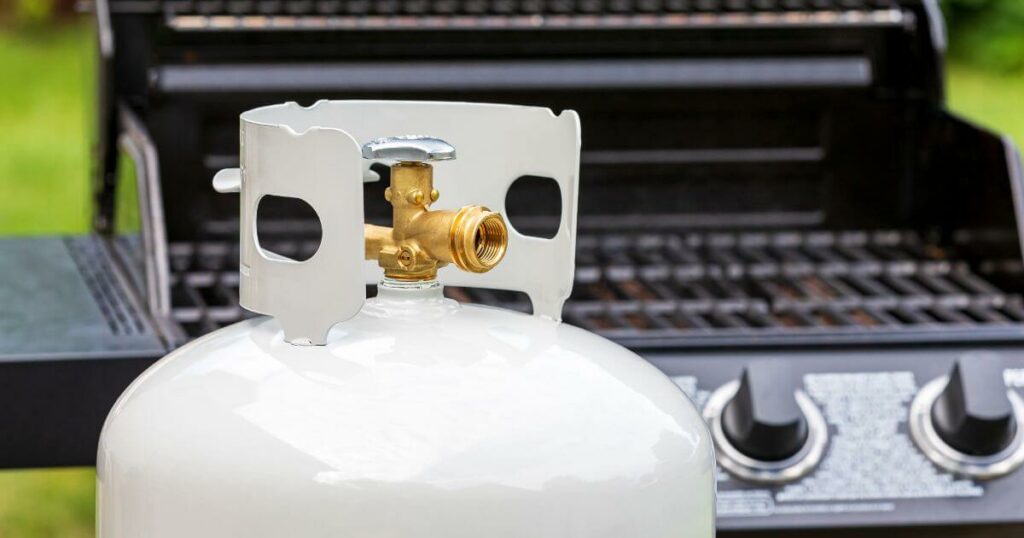
When it comes time to replace an empty propane tank, many homeowners and outdoor enthusiasts face the same question: should you choose a propane gas refill or a tank exchange? Both options are convenient and widely available, but they can differ significantly in cost, value, and long-term savings. Understanding how each option works can help you decide which one truly saves you more money over time.
Understanding Propane Tank Exchange
Tank exchange programs are commonly found at grocery stores, hardware stores, and big-box retailers. With this option, you simply bring in your empty tank and swap it for a prefilled one. The biggest advantage of tank exchange is convenience. The process is fast, requires no waiting, and doesn’t involve handling hoses or valves.
However, that convenience often comes at a higher cost. Most exchange tanks are only filled to about 15 pounds of propane, even though a standard grill tank can safely hold around 20 pounds. This means you’re paying a flat rate for less fuel. Over time, that difference adds up, especially if you use propane frequently for grilling, heating, or recreational purposes.
What Is a Propane Gas Refill?
A propane gas refill involves taking your existing tank to a refill station, where it is filled with propane based on the actual amount added. You pay by the gallon, which means you’re only paying for the fuel you receive. In most cases, refill stations will fill your tank close to its maximum safe capacity, giving you more propane per visit.
From a cost perspective, propane gas refill services are typically more economical. Because you’re getting more fuel for your money, the cost per pound of propane is usually lower than with tank exchange programs. For households that use propane regularly, this can translate into noticeable savings over the course of a year.
Comparing Costs Over Time
While tank exchange prices may seem reasonable at first glance, the reduced amount of propane in each tank makes it less cost-effective in the long run. If you grill often or rely on propane for seasonal heating, you may find yourself exchanging tanks more frequently than expected.
With a propane gas refill, fewer trips are needed because your tank is filled more completely. This not only saves money but also reduces the inconvenience of running out of fuel unexpectedly. Additionally, refill stations often offer more consistent pricing compared to exchange programs, which may fluctuate based on brand or location.
Tank Quality and Ownership
Another factor to consider is tank quality. When you use a tank exchange service, you don’t always know the condition or age of the tank you’re receiving. While exchange tanks are inspected for safety, they may be older or cosmetically worn.
With propane gas refill services, you keep your own tank. This allows you to maintain a newer or better-condition tank and ensures you know its history. Over time, maintaining your own tank can be more cost-effective and reassuring from a safety standpoint.
When Tank Exchange Might Make Sense
Although propane gas refill often saves more money, tank exchange can still be a good option in certain situations. If your tank is damaged, expired, or out of certification, exchanging it can be a simple way to get a compliant tank without paying for recertification. It’s also useful in emergencies when refill stations are closed or unavailable.
The Bottom Line
For most people, a propane gas refill is the more economical choice. It provides more fuel per dollar, greater control over tank quality, and better long-term savings. While tank exchange offers unmatched convenience, that convenience comes at a premium. If saving money is your priority and you have access to a refill station, choosing a propane gas refill is usually the smarter financial decision.