
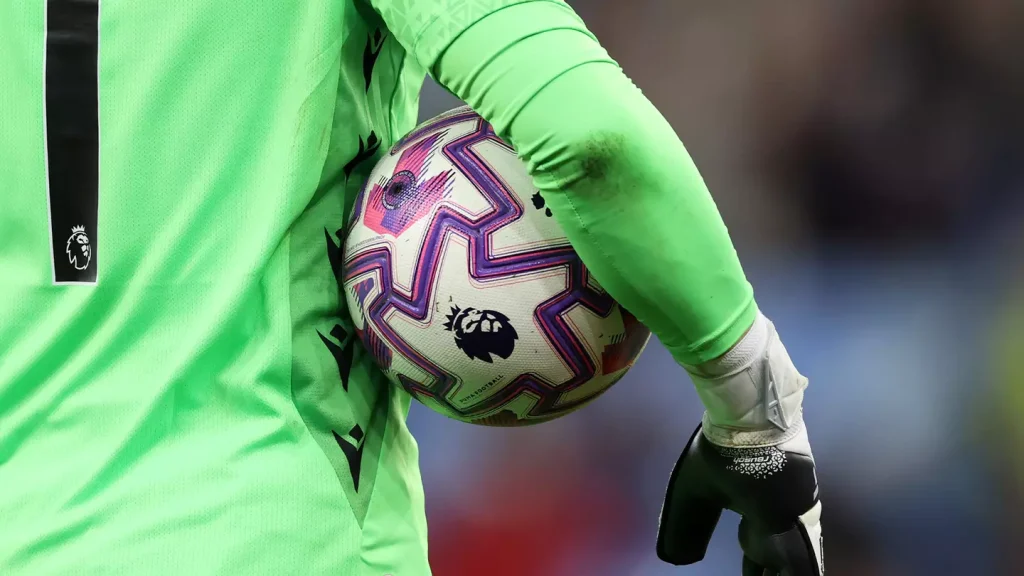
Every international window interrupts whatever rhythm the Premier League has built, sending core players around the world and leaving managers to pick up the physical and tactical pieces. For bettors, FIFA dates are not just calendar gaps; they are stress tests that change who is fit, who starts, and how reliable pre‑break form really is in the first match back.
Why International Windows Create Unique Fitness and Rotation Risks
During a standard international window, national teams often play two competitive matches inside nine days, then send players back to their clubs with little turnaround before the next league game. That schedule compresses high‑intensity minutes and long‑haul travel into a short block, especially for Premier League players representing non‑European countries, who may cross multiple time zones and climates. The cause is a congested global calendar; the outcome is travel fatigue, circadian disruption and accumulated match load; the impact is that some returning players are far from optimal physical condition even if they technically avoid injury, which tempts club managers to reduce minutes or rest them entirely in the first match after the break.
Travel, Time Zones and Why Not All Players Return Equally Fresh
Research on travel fatigue and performance shows that long‑distance journeys and time‑zone shifts impair sleep, cognitive sharpness and reaction speed, and increase perceived exertion, especially when trips run from west to east. Premier League squads are particularly exposed because many stars travel from Europe to South America, Africa or Asia for qualifiers, then back to the UK for a weekend league game, sometimes followed by a quick turnaround into European competition. Analytical articles on the impact of international breaks emphasise that these effects are uneven: non‑European internationals shoulder more travel and show greater fatigue risk, while team‑mates who stay home or play closer to England return fresher and more available for 90 minutes. For betting, that asymmetry matters more than simple “minutes played” numbers, because where and when those minutes occur determine how much physical and mental freshness a player brings into the resumed Premier League round.
Injury Risk and Late Withdrawals Around FIFA Dates
The most obvious hazard of international windows is injury, and clubs’ fear of losing key players is grounded in both data and recent experience. Surveys and workload research compiled by FIFPRO highlight player concerns about heavy calendars and inadequate protection, with expert panels pointing to international windows and travel as risk multipliers for muscle strains and overuse issues. Coverage of international breaks notes that many Premier League players withdraw from national squads due to niggles or precautionary measures, creating uncertainty about their status for the first league game after the break and forcing bettors to wait for pre‑match press conferences and late fitness reports. The cause is a combination of high-intensity minutes, compressed rest and travel stress; the outcome is a higher probability of players returning unavailable or “50–50”; the impact is that markets may move sharply once team news clarifies who actually made it back in playable shape.
How Manager Rotation Patterns Shift Immediately After Breaks
Even when players are technically fit, managers may choose not to start them in the first game back if they have travelled far or played heavy minutes. Fantasy‑focused coverage from the Premier League itself warns that head coaches will be wary of jetlag and fatigue for long-haul returnees, especially those who play late in the break and rejoin their clubs only one or two days before domestic fixtures. Tactical and betting analyses of international breaks stress that managers often use deeper squad options or alter shapes in these matches, either to protect stars from overload or to manage their minutes ahead of upcoming European or domestic priorities. For betting, the cause is sensible risk management by clubs; the outcome is more unpredictable line‑ups and role changes; the impact is that pre‑break data on playing time and position can briefly lose predictive power, especially for props like shots, passes or anytime‑scorer bets tied to heavy‑travel internationals.
Using UFABET When Pricing International-Break Distortions
When a bettor recognises that FIFA dates create systematic distortions in fitness and team selection, the online betting site they use becomes part of how that understanding is applied. In scenarios where someone places wagers through ufa168, the critical question is whether its Premier League odds in the first round after a break have already adjusted for travel, rotation and possible minutes limits, or whether they mainly reflect overall form and league position. A structured pre‑match routine might involve listing key internationals by travel distance and minutes played, anticipating which favourites could be weakened or which underdogs might benefit from fresher squads, then comparing those expectations with the lines on offer; if a side loaded with long‑haul returnees is still priced as if fully rested, that mismatch can justify a more cautious stance or a speculative position on the opponent. By treating the betting site as an execution end‑point rather than as the source of the analysis, the cause of each stake remains the underlying fitness and rotation logic instead of raw brand perceptions or headline narratives.
When International Breaks Help, Rather Than Hurt, Certain Clubs
Not every team suffers from FIFA dates; for some, the pause alleviates congestion or offers time to reset. Analytical work on international breaks notes that over long periods, top clubs like Manchester City have maintained almost identical points‑per‑game figures in post‑break matches compared with their overall league performance—2.32 points after breaks versus 2.28 in all league games in a multi‑season sample—indicating that their depth and planning often neutralise short‑term disruption. The same articles highlight that clubs with fewer internationals, or with squads heavily composed of players from the same region, may actually benefit from extra training time and lower travel exposure, regaining injured players and implementing tactical tweaks while rivals are away. The impact for bettors is that “international break chaos” is not uniformly distributed: deep squads with established rotation strategies and lighter travel loads may emerge from the window sharper than smaller or more globally dispersed teams, making blanket assumptions about post‑break dips unreliable.
Practical Indicators and Simple Structures to Track Break Effects
To make international-break risk actionable, you need simple, repeatable indicators instead of vague fears about injuries. Articles that profile international windows often group players by duty status (stayed with club, short‑haul internationals, long‑haul non‑UEFA players) and note their minutes and return dates, providing a template for your own tracking: a three‑column view listing travel distance, minutes played and days between last national-team game and the next league fixture. Betting‑oriented guides on travel and rest show how fewer rest days and longer journeys correlate with performance drops and home‑advantage amplification, reinforcing the value of integrating that information into a simple pre‑match checklist for the first post‑break round. By combining these structures, the cause (non‑uniform travel and load) becomes visible at a glance; the outcome is more realistic expectations about who may be rested or underperform; the impact is fewer surprises when line‑ups drop and more disciplined decisions about which matches to target or avoid.
Example List: Questions to Ask Before Betting After a FIFA Window
Before placing any bet in the first Premier League round after an international break, it helps to run through a short, consistent set of questions that focus specifically on fitness and rotation risk rather than just form:
- Which key players for each team travelled across multiple time zones or continents, and how many minutes did they play for their national sides ?
- How many days separate those players’ last national‑team match from the Premier League fixture, and is there an early Saturday kickoff that compresses recovery further ?
- Does the club have immediate European or domestic cup commitments that might tempt the manager to rotate or limit minutes for heavily used internationals ?
- Are there known injury doubts or recent withdrawals from national duty that could either rule players out or restrict their involvement to short cameos ?
Working through these questions, the cause–effect chain becomes clearer: heavy travel and short rest increase the likelihood of rotation and sub‑optimal performances; the outcome is greater uncertainty around line‑ups and levels; the impact is that you may prefer smaller stakes, more conservative markets or selectively backing teams with fewer international burdens.
Where casino online Behaviour Can Distract From Break-Specific Edges
Interpreting international-break dynamics correctly often yields small edges spread across many matches rather than spectacular one‑off wins, which can feel unsatisfying compared with faster‑moving gambling. In a broader casino online environment, bettors who see a well‑analysed post‑break angle fail—perhaps because a fatigued star still scores or a rotated side overperforms—may chase losses in high‑variance games that ignore all the travel and rotation work they have just done. Once bankroll and results from those other activities mix with football bets, it becomes hard to evaluate whether reading FIFA dates and player fitness actually improved decision quality or not. Keeping a distinct record and budget for Premier League wagers informed by international-break analysis preserves the cause–effect link: you can compare your expectations about fitness and line‑ups directly against outcomes over several windows and refine your approach, rather than attributing success or failure to noise generated outside football markets.
Summary
International breaks in the 2023/24 Premier League season acted as stress points where travel, time‑zone shifts and compressed national‑team schedules disrupted club fitness, availability and selection. Evidence on travel fatigue, rest and workload shows that these windows disproportionately affect non‑European internationals, increase injury and rotation risk, and leave managers weighing jetlag and match load before choosing their starting XIs. For bettors, treating FIFA dates as predictable sources of volatility—by tracking who travelled, how far, how much they played and how many days they have to recover—turns what looks like random post‑break chaos into a structured variable that can be priced into pre‑match decisions, as long as those insights are applied through a consistent process and not drowned out by impulsive gambling elsewhere.
