
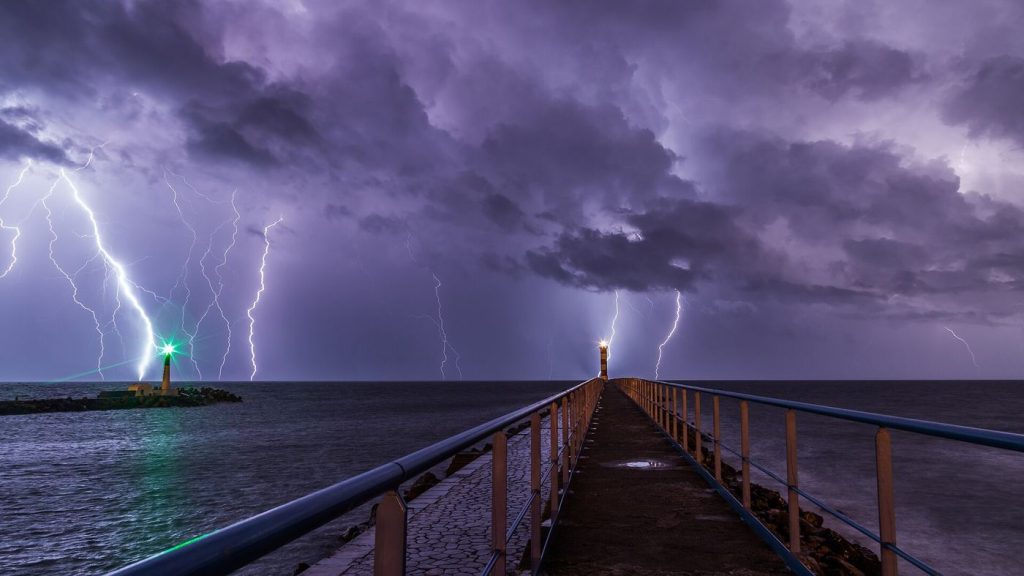
Atmospheric scientists using high speed cameras and ground based sensor networks are uncovering new detail about how thunderstorms build the electrical charges that end in lightning. Inside a storm cloud, colliding ice crystals and water droplets separate charge, creating powerful fields until the air itself breaks down in a sudden discharge. Mapping networks now locate individual flashes in three dimensions and in fractions of a second, revealing structures that older systems missed. The research improves understanding of storm development and may eventually sharpen very short term warnings for lightning, one of the most immediate weather hazards people face outdoors. The new instruments are relatively inexpensive to operate, raising hopes that denser networks can cover regions where lightning is frequent but scientific monitoring has historically been sparse.
What the Evidence Shows
Field campaigns place instruments beneath summer storms to measure electric fields, rainfall, and wind alongside the lightning maps. Researchers are also examining how lightning influences air chemistry, producing compounds that affect the atmosphere long after a storm passes. Safety experts use the findings to refine guidance for schools, sports grounds, farms, and construction sites, where decisions about stopping work must be made quickly. Climate scientists, meanwhile, are studying whether lightning patterns shift as storms change in a warmer world. For now, the practical message remains simple: when thunder is heard, people should move indoors and wait well after the last rumble. The teams publish their maps openly, allowing forecasters, researchers, and app developers to experiment with better alerts that give people a few extra, potentially lifesaving, minutes to reach proper shelter. Reporting and analysis from sources such as NASA track the same developments, and specialists following electrical processes inside thunderstorms say the direction is now consistent across independent lines of evidence.
The Wider Context
Funding bodies are watching electrical processes inside thunderstorms closely because the work sits at the junction of basic curiosity and practical return. Grant panels increasingly ask for a path from discovery to application, while researchers push back that the most valuable uses of fundamental science are rarely the ones written into the original proposal. The tension is productive when both sides stay honest about timescales.
What Happens Next
The long view on electrical processes inside thunderstorms is that fields advance by accumulation rather than by single announcements. This result adds a solid, checkable piece to a structure many teams are building, and its authors have shared their data so the piece can be tested from every side. That is how the picture eventually becomes reliable enough to act on. You can follow related developments in our coverage of science.
It is also worth remembering how quickly the picture in this area has changed before. Positions that looked settled a few years ago have been revised as new data arrived, and the same humility is appropriate now. The strongest coverage of this subject, and the most useful advice, tends to come from sources that update their views openly when the facts move, rather than defending an earlier position long after it has stopped fitting the evidence available.
