
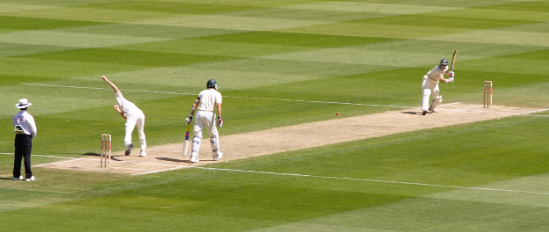
Cricket used to be followed in big blocks of time. Either the TV was on, or it wasn’t. Either someone had the radio commentary running, or they’d catch the newspaper later and pretend the score didn’t hurt.
Now the match follows the fan. It lives in pockets, notifications, lock screens, group chats, and live dashboards that update so fast it almost feels like the ball is being tracked in real time. For anyone watching this shift up close, it’s worth clicking read more and seeing how “live” cricket has turned into a full-on digital experience, not just a scorecard.
The core change
Cricket isn’t only watched anymore. It’s monitored, reacted to, shared, clipped, debated, and refreshed like a social feed.
The second screen became the first screen
Ask around during a big game and it’s obvious: plenty of fans aren’t sitting quietly watching every ball. They’re half-watching, half-scrolling.
Live sports platforms leaned into that reality instead of fighting it. The phone isn’t a distraction; it’s part of the ritual now.
What fans get from the second screen:
- Ball-by-ball updates without waiting for TV graphics
- Fast context when joining late (overs, partnerships, run rate, who’s set)
- Instant replays and key moments (often faster than broadcast)
- A constant stream of “what just happened?” answers
For busy fans, this is perfect. For traditionalists, it’s chaos. Either way, it’s how cricket is being consumed.
Ball-by-ball data turned into entertainment
The old scorecard was functional. Today’s live platforms make the scorecard feel like content.
There’s a subtle shift here. Fans aren’t only checking runs and wickets. They’re tracking:
- required rate swings
- phase performance (powerplay vs middle overs vs death)
- wagon wheels and pitch maps
- player match-ups
- win probability graphs that spike like heart monitors
Is win probability always “accurate”? Not the point. It’s compelling. It gives fans a storyline even when the match is crawling.
“Micro-moments” are the new highlight reel
Cricket has always been a game of phases, but live platforms made phases smaller and more addictive.
A single over can become its own mini-event:
- “Next wicket” tension
- “Six this over?” speculation
- “Can they finish the chase in this many balls?”
- “Will the bowler nail yorkers or lose the plot?”
Fans now follow the match in bite-sized emotional hits. It’s not necessarily deeper fandom. It’s faster fandom.
And fast fandom is easier to sell to.
Push notifications are shaping match-following habits
Notifications used to be simple: wicket, milestone, result. Now they’re basically a programming schedule.
Platforms ping users for:
- toss updates
- team announcements
- match start reminders
- big over moments
- injury news
- “momentum shift” narratives
This changes how fans behave. Some don’t even open the platform because they planned to. They open it because the platform decided the moment was important.
Useful? Yes. Also a little manipulative when overused. Fans know when they’re being nudged.
Cricket is becoming more interactive, not just live
Live platforms don’t just report. They invite participation.
Polls, predictions, fantasy integrations, quick contests, live chats, reaction tools. Fans are encouraged to do something during the match, not after it.
This is where cricket starts borrowing from gaming:
- constant prompts
- quick decisions
- instant feedback
- social proof (“most users are backing…”)
The match becomes a shared interactive space, not a one-way broadcast.
Highlights are getting shorter and faster
Not every fan wants a 12-minute recap. A lot want a 12-second clip.
Live platforms increasingly package cricket moments like social media content:
- wickets clipped instantly
- boundaries bundled as mini-montages
- over summaries in short, scannable formats
- “key moments so far” for late joiners
This isn’t just convenience. It changes memory. Fans remember the match as a sequence of spikes, not a full narrative.
And yes, it changes what gets valued. A slow-building innings with smart rotation? Less clip-friendly. A ridiculous six? That’s the currency.
Community moved into the match experience
Cricket has always been social, but live platforms pulled the conversation closer to the action.
Now the match lives inside:
- WhatsApp groups running commentary
- meme pages reacting in real time
- creator livestreams that add personality to play-by-play
- in-platform chats and comment threads (where available)
The result is a weird new form of watching: fans watch each other watching the match. Opinions land instantly. Hot takes spread before the next ball is bowled.
This amplifies drama. It also makes matches feel bigger than they are, which is great for engagement and occasionally terrible for sanity.
Personalization is quietly deciding what fans see
A classic broadcast shows the same match to everyone. A live platform doesn’t. It can tailor the experience.
Fans get different home screens based on:
- teams followed
- favorite players
- leagues watched most
- content clicked previously (highlights vs stats vs commentary)
This can be genuinely helpful. It can also narrow the experience into a bubble where only certain stories get fed back. The platform becomes an editor.
And when a platform is the editor, it influences how the sport feels.
Live platforms are also changing expectations of speed and transparency
There’s a practical side to all this: fans now expect immediate clarity.
If something happens and the platform is slow to update, users notice. If a score is wrong, people screenshot and share it. Mistakes don’t stay private.
So the bar keeps rising:
- faster data updates
- cleaner match timelines
- clearer context around reviews, no-balls, DLS scenarios, playing conditions
- fewer confusing UI choices during high-pressure moments
Cricket is complex. The best live platforms don’t dumb it down. They make it easier to track without making fans feel stupid.
The not-so-fun side: engagement can tip into over-engagement
Let’s be honest: live sports platforms are built to keep people hooked.
That’s fine when it’s just stats and clips. It gets more sensitive when the platform includes real-money elements, aggressive promos, or constant nudges to take action. Different regions have different rules, and not every feature is legal or available everywhere. That’s worth remembering.
Either way, healthy platforms tend to offer basic controls:
- notification settings that aren’t buried
- clear rules and transparent terms
- support that’s reachable
- responsible-use tools where money is involved
Cricket should feel exciting. It shouldn’t feel like a trap.
What this means for the future of cricket fandom
Cricket fandom is becoming:
- more frequent (checking constantly)
- more fragmented (less full-match watching)
- more social (reaction-driven)
- more data-led (stats as entertainment)
- more personalized (different fans seeing different “versions” of the match)
Some will miss the old style: sitting down, letting the game breathe, absorbing the rhythm. Others won’t care because the new style fits modern life.
And that’s the real story. Live platforms aren’t just improving how fans follow cricket. They’re changing what “following” even means.