
Introduction
Once it goes quiet or starts offevolved cause blasting noise that the speaker is annoying, especially when you depend on your device for music, calls, or movies In many cases, the issue is not entirely a hardware failure but the buildup of dust, particles, or light wear inside the decease. Dust and small particles can clog acoustic traps, reduce readability, and even distort audio output over the years. Understanding the way to make it perfectly easy and preserve your speakers can make every money and time purchase while making a first-rate restoration of sound.
Modern recovery processes, especially those supported using platforms like diy repair device , focus on simple, effective responses that customers can do themselves. Tools with a dusting brush or sometimes an Ultrasonic Cleaner Machine can help remove stubborn dirt with destructive fragile components. This manual explains why speakers appear milked or distorted, how exactly to access them, and it may be important to upgrade the speaker unit at all costs .
Common causes of audio problems in speakers
Speakers can exacerbate noise problems for a number of reasons, but debris accumulation is not too uncommon. Over time, debris settles into the speaker grille and internal components, blocking and reducing the size of the sound waves. This is primarily true for devices used in dusty environments or regularly in purses or bags. Even small amounts of dust can significantly affect performance, mainly choppy or poor audio output.
Another common motivation is internal set on or minor hardware damage. If a device is dropped or exposed to moisture, the speaker unit itself may be affected. However, before deciding on a primary substance, it is much much wiser to examine the obstacles and do a radical purge.In many cases, cleaning the grid and internal corridors restores acoustic clarity without the need for replacement.
How does dust affect speaker performance
The dust additionally seems innocent but reduces speaker efficiency making it a first-class venue. When particles accumulate on the speaker web, they act as a barrier that prevents sound waves from traveling cleanly. This affects milk hearing, reduced volume and occasional distortion. Too many receivers also make noise, which can make the speaker sound choppy or produce inconsistent output.
Dust inside the device can also determine the speaker diaphragm, which is responsible for generating audio vibrations. When this element is disturbed, it cannot move freely, which results in a weak sound at its best. Using the right tools like the Dust Cleaning Brush can easily remove the dirty particles without causing further damage, ensuring that the speaker works as intended
Safe Cleaning Methods for Speaker Nets
Cleaning the speaker grille requires a careful and gentle technique to keep it away from nasty touch devices. The first step is to jump power fully into the device to fix electrical problems. A gentle dust brush is one of the safest tools for removing floor particles because it allows you to brush off dust without pushing it deeper into the speaker
Controlled air pressure or special cleaning equipment can be used for more cascaded dusts. Some customers additionally rely on an ultrasonic cleaner for removable components as it uses high-frequency vibrations to blow dust out of hard-to-reach areas but this approach should simply only be used when the speaker part is removable and well suited to such cleaning methods
When to Use Ultrasonic Cleaning
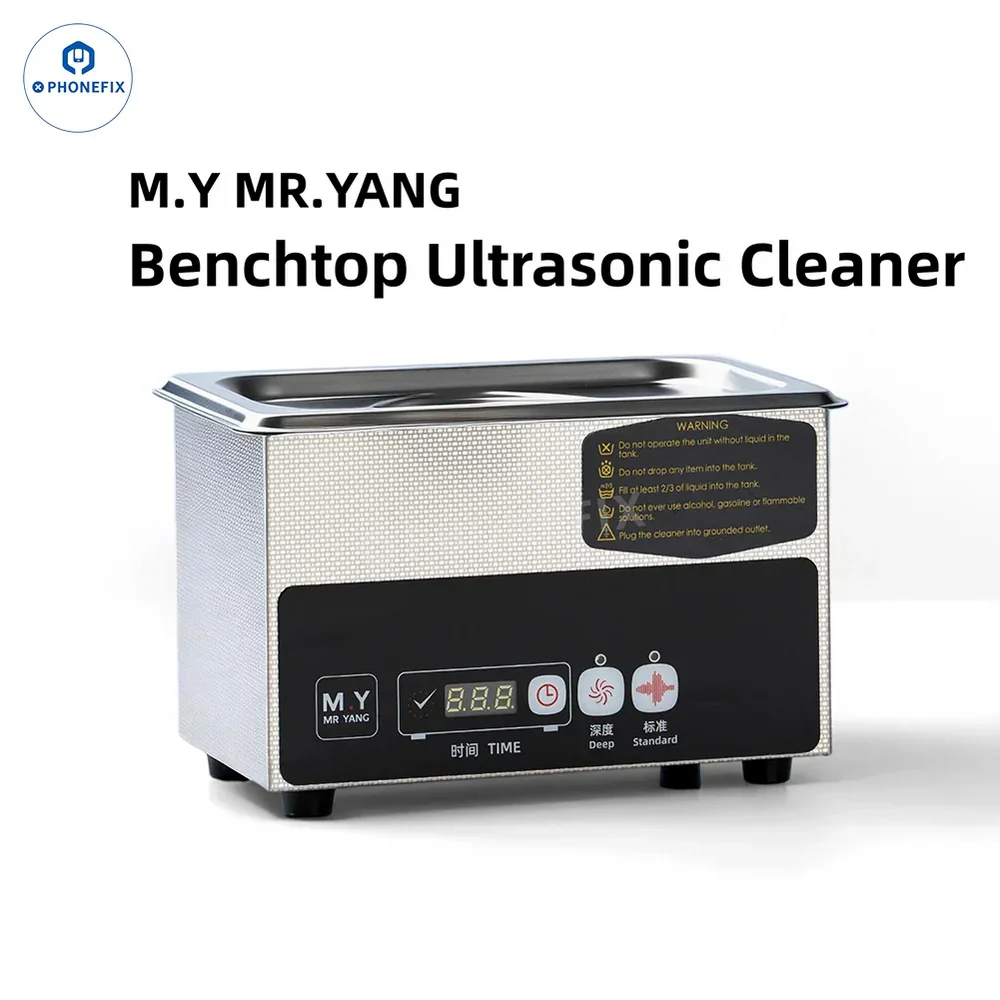
An ultrasonic cleaner is an effective tool in that it is regularly used for precision cleaning. It works through the production of microbubbles that effortlessly sweep dust and particles off surfaces. This makes it very effective for cleaning small components such as speaker grilles, grills, or removable components where hand cleaning is not enough.
But understanding its limitations takes miles. Not all speaker devices can be installed on such devices, especially if they are to be included in digital devices. In a few cases, traditional cleaning methods are still the safest option. When used effectively, ultrasonic cleaning can address true adjacent elements, subtly improving the sound without the need for an alternative .
Signs You Need to Replace Speaker Unit
While cleaning can clear up many problems, there are instances where the alternative is the easiest solution. If the speaker continues to produce a distorted sound after thorough cleaning, it is capable of indicating internal damage. Symptoms that include humming, a complete lack of sound, or inconsistent audio output regularly indicate a faulty speaker unit.
Physical impairment is any other pure indicator. If the device has been dropped or exposed to water, the internal additives may not look right anymore. In such cases, it is often effective to replace the speaker unit in addition to attempting to repeat maintenance. Following proper repair schedules such as those available on the di yfix tool can make the replacement system less difficult and more reliable.
Step-by-Step Guide to Speaker Maintenance
Maintaining your speakers regularly can save you the most possible and not uncommon problems. Start by preserving your device in a greasy environment and preventing exposure to dust and moisture. Inspect and smooth the speaker grille often Use a dirt cleaning brush to remove visible particles before they form.
In addition to exterior cleaning, regular assessments of sound quality help miles. If you notice any adjustments, deal with them before they become serious problems. Using safe tools and proper technique ensures that your equipment is in good condition, reducing the costly maintenance or replacement required within eternity.
Fix Future Speaker Problems
Prevention is consistently better than repair in terms of preserving electronic equipment. Keeping your device in shelters and avoiding a dusty environment can significantly reduce the chances of speaker interference. Regular dust cleaning is no longer the simplest improves the sound better but also extends the life of speaker components.
It is important to treat machines carefully and avoid exposure to them in critical situations. Simple behaviors like storing your device properly and cleaning it frequently can make a big difference. By taking these precautions, you could ensure consistent overall performance and avoid uncommon annoyances like a quiet sound system or distorted sound.
Conclusion:
Speaker issues such as reduced propagation or distortion are often the result of dirt buildup or minor wear as severe losses. Many issues can be resolved without expert treatment by knowing the underlying causes and using proper cleaning strategies. Tools such as dust cleaning brushes and in positive cases an ultrasonic cleaner offer an effective solution to preserve and restore sound beautifully.
If cleaning doesn’t fix the problem, replacing the speaker unit can be expensive to get the most useful function. With the right approach and management from trusted sources like diyfix tool , customers can manage those repairs themselves with a little success. Regular maintenance, careful finishing, and well-timed movements ensure that the sound system continues to deliver clear and powerful sound for a long time.