
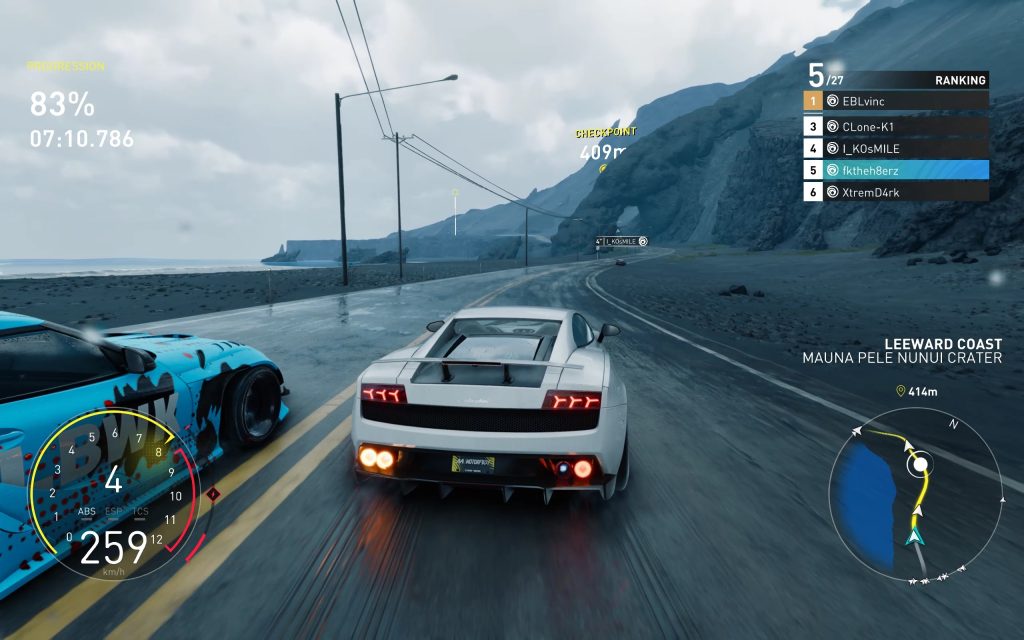
In the world of gaming, competitive car games have carved a special niche, offering players a unique blend of speed, strategy, and skill. Unlike casual driving simulations, these games are designed to challenge players on multiple levels, often incorporating precise physics, advanced customization, and competitive mechanics that reward practice and strategy. From adrenaline-pumping races to complex stunt challenges, competitive car games provide an immersive experience that appeals to both casual players and professional gamers. Over the years, these games have grown beyond simple entertainment to become platforms for global tournaments, bringing together top players from around the world to compete for prizes, recognition, and prestige.
The rise of eSports has significantly influenced competitive car games, giving them the visibility and professional structure needed to attract serious players. Today, major tournaments for racing games draw thousands of participants and millions of viewers online, with games offering sponsorships, live-streamed events, and even official rankings. The combination of entertainment, skill-based competition, and community engagement has turned competitive car games into a thriving ecosystem within the gaming industry.
The Evolution of Car Games into Competitive Platforms
Car games have evolved significantly since the early days of arcade racing. Titles like “Pole Position” and “Daytona USA” introduced the idea of competitive racing to a broad audience, but the gameplay was limited to local high-score leaderboards and multiplayer arcade cabinets. The arrival of consoles such as the PlayStation and Xbox expanded the possibilities, allowing online play and more complex mechanics. Modern competitive car games now feature realistic physics engines, customizable vehicles, and intricate track designs that require strategic thinking and mastery of controls.
Online multiplayer capabilities revolutionized competitive car games, creating communities where players could compete in real-time against opponents worldwide. Games like “Forza Motorsport,” “Gran Turismo,” and “F1” series have become staples in competitive gaming, hosting online leagues and global tournaments. These platforms offer players not just the thrill of racing but also the opportunity to demonstrate skill and earn recognition in a structured competitive environment. The evolution from simple arcade fun to professionally organized tournaments highlights the growing significance of car games in the global gaming landscape.
Popular Competitive Car Games That Host Global Tournaments
Several competitive car games have become household names in the world of eSports, thanks to their engaging gameplay and the professional tournaments they support. One of the most prominent examples is “Rocket League,” a game that combines soccer with high-speed cars, creating a unique competitive experience. With its easy-to-learn but hard-to-master mechanics, Rocket League attracts players of all skill levels, and its global tournaments feature top-tier teams competing for substantial prizes and international fame.
Another popular title is the “F1” series, which offers an authentic Formula One racing experience. This franchise hosts official global competitions in collaboration with the real-world F1 organization, including online leagues and championship events that mirror professional racing. Players must master the art of cornering, overtaking, and strategic pit stops, making these tournaments highly competitive and widely respected within the gaming community.
“Forza Motorsport” is also notable for its competitive scene, featuring online championships and time trials that test player skill and vehicle tuning knowledge. These competitive car games not only entertain but also cultivate a professional ecosystem where players, teams, and sponsors come together to celebrate high-level performance. The presence of global tournaments elevates these games beyond casual play, turning them into serious sporting events with large audiences and substantial rewards.
The Impact of Competitive Car Games on Players
Competitive car games influence players in many ways, promoting critical thinking, quick reflexes, and strategic decision-making. These games challenge players to learn track layouts, optimize vehicle performance, and anticipate opponents’ moves. Success in competitive car games often requires extensive practice, discipline, and attention to detail, which are transferable skills beyond gaming.
Moreover, participating in global tournaments offers players opportunities for recognition and community building. Online platforms allow players to connect, form teams, and share strategies, fostering a sense of camaraderie and sportsmanship. For professional gamers, competitive car games can even become a career path, with sponsorships, streaming revenue, and prize earnings creating viable income streams. The competitive nature of these games motivates players to continually improve their skills, setting goals, and striving for excellence. By emphasizing both skill and strategy, competitive car games provide a stimulating and rewarding experience that extends far beyond mere entertainment.
Organizing and Participating in Global Car Game Tournaments
Global tournaments for competitive car games are meticulously organized to ensure fairness, excitement, and engagement. These events typically involve qualification rounds, online matches, and live finals, sometimes held in physical venues or streamed to a worldwide audience. Organizers must consider factors such as matchmaking, latency, and standardized rules to maintain competitive integrity. Many tournaments also feature commentary, live analysis, and interactive fan engagement to enhance the viewing experience.
For players, participating in these tournaments requires preparation and dedication. Understanding the game mechanics, learning advanced techniques, and practicing under simulated tournament conditions are essential steps for success. Additionally, players must develop strategies for teamwork, communication, and mental resilience, particularly in high-pressure scenarios. Participation in global competitions provides not only the thrill of competing at the highest level but also exposure to a community of like-minded enthusiasts, opening doors to networking, sponsorships, and potential professional opportunities. Competitive car games, therefore, serve as both a proving ground and a platform for growth, offering players a structured environment in which their skills can shine on the global stage.
The Future of Competitive Car Games and Global Tournaments
As technology continues to advance, the future of competitive car games looks increasingly promising. Innovations in virtual reality, cloud gaming, and artificial intelligence are poised to redefine the racing experience, offering more immersive and dynamic competition. VR headsets and motion simulators could bring unparalleled realism, while AI-driven opponents and track generation could provide endlessly challenging scenarios for players. Cloud gaming platforms will make these experiences more accessible, allowing global participation without the need for high-end hardware.
Additionally, the professionalization of competitive car games is likely to grow, with more structured leagues, international championships, and corporate sponsorships. eSports organizations are investing in these games as viable competitive arenas, and the increasing media coverage is helping to elevate the recognition and legitimacy of competitive racing. Fans and players alike can expect a future where car games are not just hobbies but major competitive spectacles, drawing talent from across the globe and uniting communities around shared passion, skill, and excitement.
Conclusion
Competitive car games have transformed from simple arcade entertainment into globally recognized platforms for skill, strategy, and professional competition. Through advancements in technology, community engagement, and structured tournaments, these games offer players both a thrilling experience and opportunities for recognition on the world stage. Popular titles such as Rocket League, F1, and Forza Motorsport demonstrate the potential of competitive car games to foster global competition while providing players with meaningful challenges. As the landscape of gaming continues to evolve, the future of competitive car games promises even greater immersion, innovation, and international tournaments, solidifying their position as a cornerstone of eSports and competitive entertainment.
