
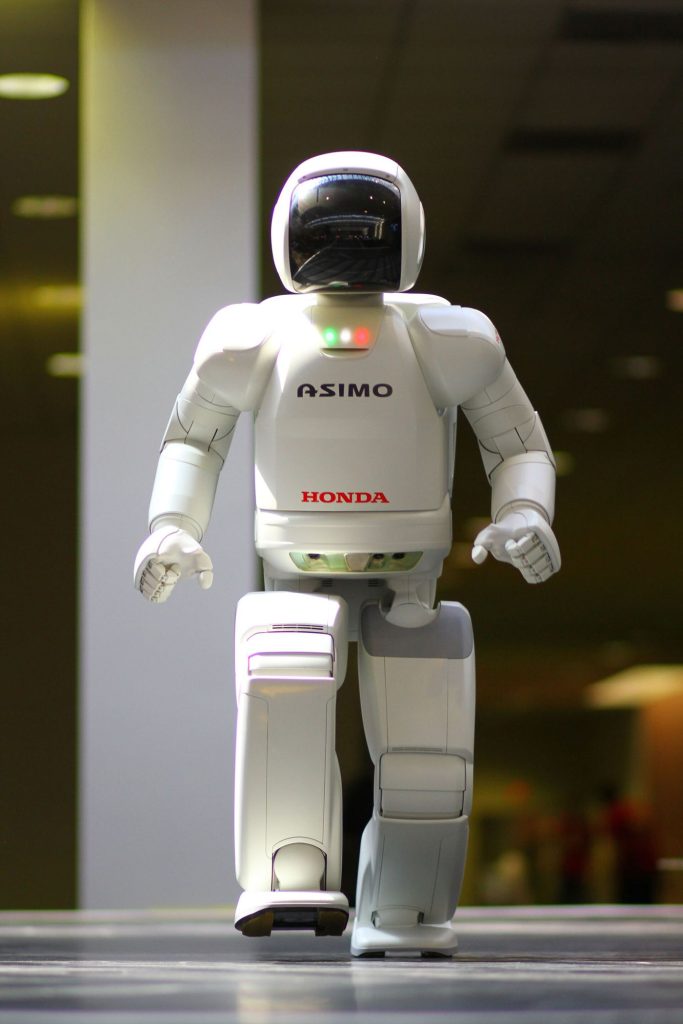
Intel is pitching its newest laptop processors to the builders of humanoid robots, arguing that a single chip can now handle a robot’s thinking, seeing and moving. The company is promoting its Core Ultra Series 3 processors, built on the Panther Lake architecture and its 18A manufacturing process, to robotics companies seeking a single system-on-chip that combines a central processor, graphics processor and neural processing unit. The pitch, reported in November 2026, targets humanoid and commercial robots that need to sense their surroundings, plan movements and run AI models on board, without relying on a separate computer or a cloud connection.
What the Evidence Shows
The move shows how the chip industry is chasing robotics as its next big market. Humanoid robots need to process camera feeds, balance, grasp objects and understand spoken instructions, all at once and in real time. Doing that work on the robot itself, rather than in a data centre, cuts delay and keeps the machine working when the network drops. Intel is competing with Nvidia, Qualcomm and others for the same customers. Panther Lake is also the foundation of Intel’s next laptop chips, so the robotics push doubles as a showcase for the silicon that will power millions of personal computers. Reporting and analysis from sources such as MIT Technology Review track the same developments, and specialists following Intel’s Core Ultra Series 3 processors say the direction is now consistent across independent lines of evidence.
The Wider Context
The wider context is an industry learning to ship capability and restraint together. Products built around Intel’s Core Ultra Series 3 processors now launch with safety evaluations, usage data and rollback plans as standard, because enterprise buyers and regulators ask for them in the first meeting. Companies that treated those questions as friction are discovering they have become the purchase criteria.
What Happens Next
What happens next for Intel’s Core Ultra Series 3 processors depends less on another breakthrough than on the unglamorous work of reliability, pricing and support. The buyers evaluating it now are not enthusiasts; they are operators with budgets and auditors, and their checklists will decide the timeline. On the evidence of the current pilots, the technology has earned the right to be judged by them. You can follow related developments in our coverage of technology.
There is a practical lesson in all of this for readers deciding what to do today. Start with the verified facts, be wary of anyone promising certainty, and prefer reversible steps while the evidence is still developing. Circumstances differ by country, income and personal situation, so general guidance should always be weighed against your own context before you act on it in any significant or lasting way.
It is also worth remembering how quickly the picture in this area has changed before. Positions that looked settled a few years ago have been revised as new data arrived, and the same humility is appropriate now. The strongest coverage of this subject, and the most useful advice, tends to come from sources that update their views openly when the facts move, rather than defending an earlier position long after it has stopped fitting the evidence available.
