
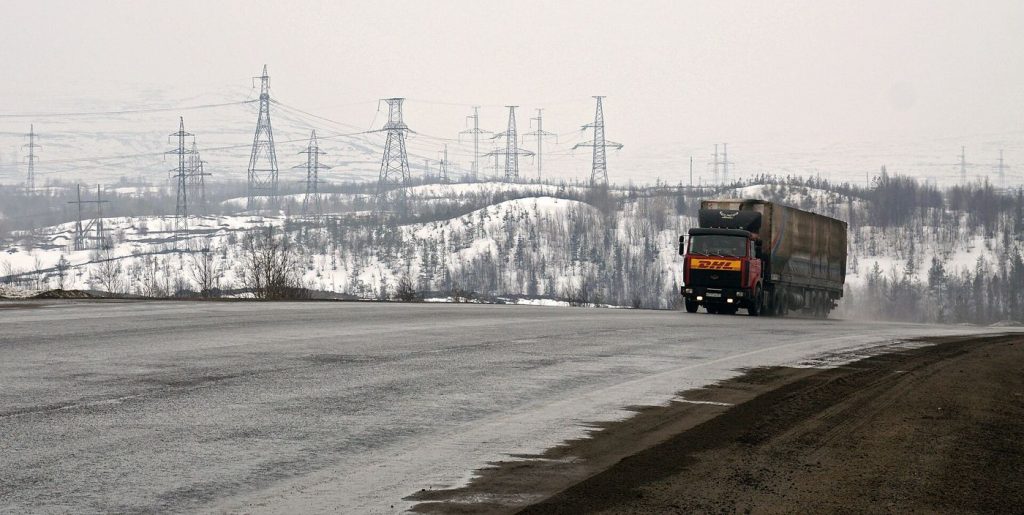
Driverless trucks are moving from test routes to real freight work on American highways. In October 2026, Kodiak AI and Charger USA began hauling refrigerated and dry freight on a 435-mile route between Dallas and Laredo in Texas, using autonomous trucks, and they plan to remove the safety driver once their safety case is complete. Aurora Innovation, the leading driverless truck company, has reported more than 500,000 driverless miles since its commercial launch and told investors it expects to run more than 200 driverless trucks by the end of 2026, growing to 30,000 by 2030. Einride and EASE began daily driverless freight runs between warehouses in Ohio on 6 October, with no one aboard. The trucks run on fixed highway routes, where the driving is simpler than in city traffic.
What the Evidence Shows
The business case is strong: the United States faces a chronic shortage of long-haul drivers, and trucks that can run around the clock could cut delivery times and costs. Carriers are starting to commit their own money, with Kodiak signing a binding agreement for 75 trucks and Aurora holding non-binding plans covering 1,000. Bosch has partnered with Kodiak to make the hardware production-ready, aiming to deliver about 100 driverless trucks by the end of 2026. The obstacles are regulatory and practical: a federal waiver covers only about 45 self-driving trucks, operated by Aurora, Kodiak, Waabi and Stack AV, and the rules for driverless freight are still being written. Safety is the other test, and every crash involving a driverless truck will be examined closely. For now the trucks run on defined highways, with remote operators watching. Reporting and analysis from sources such as MIT Technology Review track the same developments, and specialists following driverless freight trucks say the direction is now consistent across independent lines of evidence.
The Wider Context
The wider context is an industry learning to ship capability and restraint together. Products built around driverless freight trucks now launch with safety evaluations, usage data and rollback plans as standard, because enterprise buyers and regulators ask for them in the first meeting. Companies that treated those questions as friction are discovering they have become the purchase criteria.
What Happens Next
What happens next for driverless freight trucks depends less on another breakthrough than on the unglamorous work of reliability, pricing and support. The buyers evaluating it now are not enthusiasts; they are operators with budgets and auditors, and their checklists will decide the timeline. On the evidence of the current pilots, the technology has earned the right to be judged by them. You can follow related developments in our coverage of technology.
There is a practical lesson in all of this for readers deciding what to do today. Start with the verified facts, be wary of anyone promising certainty, and prefer reversible steps while the evidence is still developing. Circumstances differ by country, income and personal situation, so general guidance should always be weighed against your own context before you act on it in any significant or lasting way.
