
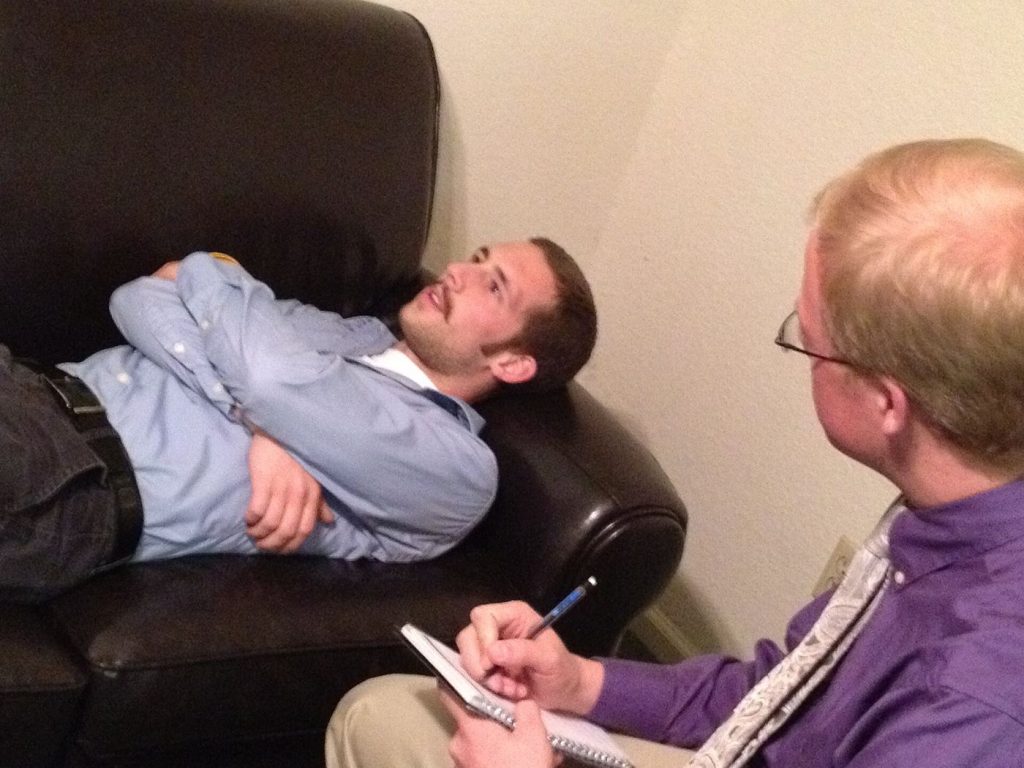
For people whose depression does not respond to standard antidepressants, a treatment derived from psychedelic mushrooms is producing results that researchers describe as striking. Psilocybin, the active compound in so-called magic mushrooms, is being tested in carefully controlled clinical trials in which patients receive a measured dose in a supervised setting alongside psychological support. In several trials, a single session or a short course has been followed by rapid and lasting improvements in mood, with some participants reporting relief within days that persisted for weeks or months. Brain imaging studies suggest the drug temporarily loosens rigid patterns of brain activity, allowing new connections to form and helping people break out of the repetitive negative thinking that characterises depression. Regulators in the United States have given the treatment breakthrough therapy status, speeding up its path toward possible approval. In one well-known trial, participants with treatment-resistant depression reported major improvements after just two guided sessions, and a significant share were still better months later, a result rarely seen with conventional drugs.
What the Evidence Shows
The treatment is not simply taking a mushroom. Sessions take place in a calm clinical room with trained guides present throughout, and patients are screened carefully for risks such as a history of psychosis. Preparation and follow-up therapy sessions are considered as important as the drug itself, helping patients make sense of the experience and carry its effects into daily life. Researchers caution that the evidence, while promising, comes from relatively small trials, and larger studies are now under way to confirm the benefits and work out who it helps most. Questions also remain about cost, access and how the treatment would be delivered at scale. But for a condition that affects hundreds of millions of people and leaves many without an effective option, psilocybin research represents one of the most closely watched frontiers in psychiatry. Regulators in Australia have already allowed limited medical use of psilocybin for treatment-resistant depression, and several American states have moved toward regulated access, though the drug remains controlled in most countries. Reporting and analysis from sources such as NASA track the same developments, and specialists following psilocybin therapy for depression say the direction is now consistent across independent lines of evidence.
The Wider Context
Funding bodies are watching psilocybin therapy for depression closely because the work sits at the junction of basic curiosity and practical return. Grant panels increasingly ask for a path from discovery to application, while researchers push back that the most valuable uses of fundamental science are rarely the ones written into the original proposal. The tension is productive when both sides stay honest about timescales.
What Happens Next
The long view on psilocybin therapy for depression is that fields advance by accumulation rather than by single announcements. This result adds a solid, checkable piece to a structure many teams are building, and its authors have shared their data so the piece can be tested from every side. That is how the picture eventually becomes reliable enough to act on. You can follow related developments in our coverage of science.
It is also worth remembering how quickly the picture in this area has changed before. Positions that looked settled a few years ago have been revised as new data arrived, and the same humility is appropriate now. The strongest coverage of this subject, and the most useful advice, tends to come from sources that update their views openly when the facts move, rather than defending an earlier position long after it has stopped fitting the evidence available.
